

Every interior has its own character, and the right flooring can help bring that character to life. From contemporary apartments and spacious family homes to stylish offices and hospitality spaces, carpets can introduce warmth, texture, and visual interest. For people who want something beyond standard flooring options, bespoke carpets and custom carpets offer greater flexibility to create distinctive interiors.
Personalised carpeting allows you to explore different colours, patterns, textures, materials, and dimensions to suit a specific space. Whether you prefer understated elegance or a bold design statement, the right carpet can complement your existing décor and make an interior feel more cohesive.
For Australian homeowners and businesses, these tailored options provide an opportunity to combine creative design with practical flooring requirements.
1. Minimalist Interiors with Neutral Carpets
Minimalist interiors often focus on simplicity, clean lines, natural materials, and carefully selected decorative elements. In these spaces, flooring can provide a subtle foundation without competing with the rest of the design.
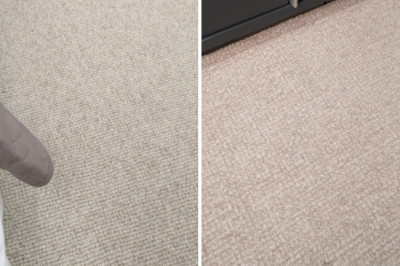
Neutral shades such as beige, cream, taupe, and soft grey work well with minimalist furniture and understated décor. Textured finishes can introduce depth while maintaining a calm appearance.
Bespoke carpets allow homeowners to select colours and textures that complement their individual design preferences. Custom carpets can be tailored to the dimensions of the room, helping create a balanced appearance around furniture and architectural features.
For the best results, consider how the carpet will interact with wall colours, natural light, timber finishes, and soft furnishings.
2. Bold Patterns for Statement Interiors
If you want flooring to become a focal point, a patterned carpet can introduce personality into an otherwise simple room.
Geometric patterns, abstract designs, and carefully selected contrasting colours can add visual interest to living rooms, creative workspaces, and larger reception areas.
With bespoke carpets, you can explore design combinations that reflect your preferred interior style. Custom carpets can help adapt the selected pattern to the room's dimensions and layout.
When choosing a bold design, consider the other elements in the space. Simple furniture and restrained accessories can help the carpet stand out without making the interior feel overcrowded.
3. Natural Textures for Warm and Inviting Spaces
Natural materials can make an interior feel warm, comfortable, and connected to its surroundings. Timber furniture, linen curtains, stone finishes, and textured fabrics can all work well alongside carefully selected carpeting.
Wool carpets are one option for homeowners who appreciate natural fibres and a soft feel underfoot. Other materials, including synthetic fibres and blends, may be suitable depending on the room's requirements and maintenance priorities.
Bespoke carpets can help create a particular combination of colour and texture, while custom carpets offer flexibility when the flooring needs to fit a specific area.
For a balanced design, consider combining subtle carpet textures with natural timber and neutral furnishings.
4. Luxury Living Rooms with Elegant Carpet Designs
Living rooms often bring together furniture, lighting, decorative accessories, and flooring. A carefully chosen carpet can connect these elements and create a comfortable space for relaxing or entertaining guests.
For an elegant appearance, consider muted colours, refined textures, or subtle patterns that complement the sofa, coffee table, and other furnishings.
Bespoke carpets provide flexibility when selecting a design that matches the room's overall aesthetic. Custom carpets can also be made to suit a particular seating arrangement or open-plan layout.
For example, placing a suitably sized carpet beneath the main seating area can visually define the lounge space while preserving an open and welcoming atmosphere.
5. Creative Carpet Ideas for Bedrooms
Bedrooms provide an opportunity to use flooring to create a relaxing and personal environment. Soft colours, comfortable textures, and understated patterns can help establish a calm atmosphere.
Warm neutrals can complement wooden furniture, while darker shades may introduce contrast in a larger bedroom. A textured carpet can also add depth without relying on bold colours.
Bespoke carpets make it possible to explore finishes that suit your preferred bedroom style. Custom carpets can be useful when the room has unusual dimensions or requires a particular fit around built-in wardrobes and other fixed features.
When selecting a bedroom carpet, balance appearance with comfort, cleaning requirements, and the suitability of the material for everyday use.
6. Custom Rugs for Open-Plan Interiors
Open-plan living is common in modern Australian homes, where kitchens, dining rooms, and living areas often share one connected space. While this layout creates a sense of openness, it can sometimes be difficult to establish separate functional zones.
A carefully positioned carpet or rug can help define different areas without introducing physical barriers.
For instance, a rug beneath the sofa and coffee table can establish a living zone, while a complementary design can distinguish a reading corner.
Custom carpets can provide the dimensions needed for specific furniture arrangements. Bespoke carpets can help coordinate colours and textures across the connected spaces.
Before choosing a size, measure the area and consider how furniture will sit on or around the carpet.
7. Stylish Hallways and Entrance Areas
Hallways and entrances are often overlooked during interior design, yet they influence the first impression of a home or commercial property.
Runner carpets can introduce colour, texture, and visual direction into long hallways. A subtle pattern can add character, while a neutral design can maintain a clean and understated appearance.
Custom carpets are particularly useful when a hallway is unusually long, narrow, or irregularly shaped. Bespoke carpets can help coordinate the entrance with adjoining rooms through complementary colours and design details.
Because these areas may experience frequent foot traffic, consider durability, ease of cleaning, and safe installation when selecting the carpet.
8. Distinctive Carpets for Home Offices
A home office should balance functionality with an attractive and comfortable environment. Flooring can help establish the room's atmosphere while complementing desks, chairs, shelves, and other furnishings.
Neutral colours and subtle patterns can create a professional appearance. Textured designs may add warmth to a workspace that otherwise contains mostly hard surfaces.
Bespoke carpets allow you to choose a design that complements your interior preferences. Custom carpets can accommodate compact rooms, unusual layouts, or spaces with built-in furniture.
If you use a rolling office chair, check whether the carpet's pile and construction are suitable for chair movement and the intended level of use.
9. Colour Coordination for Cohesive Interiors
Colour coordination is an important part of creating a well-designed interior. The carpet should complement the walls, furniture, curtains, and decorative accessories rather than appearing disconnected from the rest of the room.
Neutral colours provide flexibility when furnishings change over time. Earthy shades can work well with natural materials, while contrasting colours may help highlight specific features.
Bespoke carpets offer opportunities to explore colours that reflect your overall design vision. Custom carpets can help maintain visual consistency when flooring is needed across several connected rooms.
Request samples where available and view them in the actual space. Lighting can affect how a colour appears at different times of the day.
10. Unique Designs for Commercial Interiors
Carpet design can also influence the appearance of offices, hotels, boutique retail spaces, and other commercial interiors.
Reception areas may benefit from distinctive patterns that reflect the desired brand atmosphere, while meeting rooms may require understated colours and textures that complement professional furnishings.
Bespoke carpets can help create a distinctive interior concept, while custom carpets can accommodate particular dimensions and layouts.
For commercial applications, design decisions should also account for foot traffic, maintenance, installation requirements, and any relevant safety or building specifications. Consult the supplier about products suitable for the intended environment.
11. How to Plan Your Personalised Carpet Design
Before ordering bespoke carpets or custom carpets, take time to establish the requirements of your space.
-
Define the design style: Decide whether you prefer minimalist, contemporary, traditional, or statement-making interiors.
-
Measure accurately: Record room dimensions and identify unusual corners, doorways, and fixed furniture.
-
Choose suitable materials: Compare natural fibres, synthetic options, and blends based on comfort and practical performance.
-
Select colours and patterns: Coordinate the carpet with existing furniture, walls, and other finishes.
-
Set a budget: Account for the carpet, underlay, installation, and floor preparation.
-
Confirm the specifications: Check the final dimensions, design details, available finishes, and expected delivery time.
-
Plan for maintenance: Understand the cleaning requirements before making a final decision.
Careful planning can help you create a personalised flooring solution that suits both your design preferences and the everyday needs of the space.
Conclusion
Unique interior spaces often benefit from thoughtful design choices that combine appearance with practicality. Carpets can introduce warmth, define functional areas, and connect different elements of a room.
Bespoke carpets offer greater creative flexibility for homeowners and businesses seeking distinctive designs, while custom carpets provide tailored dimensions and solutions for specific layouts. Both options can help create interiors that reflect individual preferences and complement the surrounding décor.
By exploring colours, materials, patterns, and textures while considering measurements, maintenance, and installation, you can choose carpeting that enhances your space and supports your lifestyle.