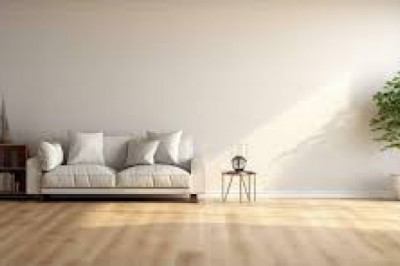


Choosing the right rug colour can transform your home by adding warmth, creating contrast and bringing your interior design together. Whether you prefer a minimalist living room, a contemporary apartment or a relaxed Australian home, the right rug can make your space feel more comfortable and visually balanced.
When exploring rugs Australia homeowners can choose from a wide range of colours, materials and designs. From timeless beige and ivory to earthy browns and modern greys, the best choice depends on your flooring, furniture, natural light and personal style.
In this guide, we explore the best rug colours for modern Australian homes and how to choose a shade that complements your interior.
1. Beige Rugs for Warm and Timeless Interiors
Beige is a popular choice for modern interiors because it creates a warm, understated look without overwhelming the room. It works particularly well with timber flooring, cream walls, neutral sofas and natural materials.
A beige rug can also help connect different elements in an open-plan living space. Pair it with wooden furniture and soft furnishings to create a cohesive appearance.
Best for: Living rooms, bedrooms, minimalist interiors and homes with warm timber floors.
2. Ivory and Cream Rugs for Bright Spaces
Ivory and cream rugs can make a room feel open, light and welcoming. They are especially suitable for spaces with plenty of natural sunlight, where their soft tones complement the brightness of the room.
These shades work well with light-coloured furniture, white walls and contemporary décor. To prevent the space from looking flat, combine them with different textures, such as wool, linen and timber.
Before choosing a very pale rug, consider how much foot traffic the area receives and whether the material is easy to maintain.
Best for: Bright living rooms, smaller spaces and contemporary interiors.
3. Grey Rugs for Modern Australian Homes
Grey rugs offer a clean, contemporary appearance and can complement a variety of interior styles. Lighter greys create a subtle backdrop, while darker shades add definition and contrast.
The key is to consider the undertones of your existing flooring and furniture. A warm grey may work better with honey-toned timber, while a cooler grey can complement cooler flooring and modern finishes.
For a balanced look, pair a grey rug with neutral upholstery and introduce warmth through cushions, wooden furniture or decorative accessories.
Best for: Modern apartments, contemporary living rooms and minimalist interiors.
4. Earthy Brown Rugs for a Natural Look
Earthy colours bring a relaxed, grounded feel to modern interiors. Shades such as sand, tan, caramel and warm brown work well with natural materials and can complement the colours found in the Australian landscape.
These tones pair particularly well with timber furniture, indoor plants, linen upholstery and warm lighting.
If your room already contains several neutral colours, an earthy rug can add depth without creating too much visual contrast.
Best for: Natural interiors, relaxed living spaces and homes with timber furniture.
5. Natural Jute Tones for Texture and Simplicity
Natural jute rugs are a good option for homeowners who want texture and an organic appearance. Their natural shades can complement neutral palettes, wooden flooring and simple contemporary furniture.
Jute works particularly well in interiors where the colour scheme is understated and texture plays an important role in the overall design.
Consider the rug's construction and care requirements before choosing it for a particular room.
Best for: Casual living spaces, natural interiors and rooms featuring timber or other organic materials.
6. Dark Rugs for Contrast and Definition
A dark rug can create a striking focal point in a room dominated by light walls, pale flooring and neutral furniture.
Charcoal, deep brown and navy can help define a seating area and give the room a more structured appearance. You do not need to use a very dark shade throughout the space. Even a rug with a darker base and a subtle pattern can provide enough contrast.
To maintain balance, repeat one or two colours from the rug in cushions, artwork or other accessories.
Best for: Large living rooms, open-plan spaces and interiors that need stronger contrast.
7. How to Choose the Right Rug Colour for Your Flooring
Your flooring is one of the most important factors when selecting a rug. The right combination can make furniture feel connected and help create a balanced interior.
For Timber Floors
Beige, oatmeal and earthy brown rugs can complement warm timber tones. If the floor and furniture are both light, consider a slightly darker rug to create separation.
For Light Tiles
Ivory, beige and natural jute tones can introduce warmth and texture to tiled spaces. A contrasting shade can help define the seating area.
For Dark Floors
Lighter colours, including cream and soft beige, can stand out against dark flooring. This contrast can make the rug a focal point without requiring bold patterns.
Always compare the rug with your actual flooring under different lighting conditions before making a final decision.
8. Consider Material Alongside Colour
The appearance of a rug depends on more than its colour. Its material, pile and surface finish can change how it looks in natural and artificial light.
-
Wool rugs: Offer a textured appearance and are available in a range of colours and designs.
-
Jute rugs: Provide natural texture and earthy tones.
-
Viscose rugs: Can have a noticeable sheen that changes with the direction of light.
-
Wool-blend rugs: Combine wool with other fibres to create different textures and performance characteristics.
When browsing rugs Australia collections, compare materials and construction alongside colour. This helps you choose a rug that suits both your interior style and practical requirements.
9. Common Mistakes to Avoid When Choosing Rug Colours
Even a beautiful rug may not work well if its colour clashes with the rest of the room. Keep these common mistakes in mind:
-
Choosing a colour from a photograph alone: Screen settings and lighting can affect how colours appear.
-
Ignoring flooring undertones: A rug can look too cool or too warm when placed beside certain floors.
-
Matching everything exactly: Some contrast helps create depth and visual interest.
-
Overlooking texture: Two rugs in similar colours can look very different because of their construction.
-
Forgetting the room's purpose: Consider foot traffic, maintenance and how the space is used before choosing a light-coloured rug.
Taking time to evaluate these details can help you find a rug that complements your home.
Find the Best Rug Colours for Your Home
The Best Rug Colours for modern Australian homes depend on the atmosphere you want to create. Beige and ivory provide a timeless foundation, grey offers a contemporary finish, earthy shades add warmth, and darker rugs create definition.
Think about your flooring, furniture, natural light and preferred materials before making a decision. The most successful choice is one that complements your existing décor while making the room feel comfortable and cohesive.
Explore The Rug Trader's All Rugs collection to discover different rug colours, textures and designs for your home. Compare your options and choose a style that works with your space.