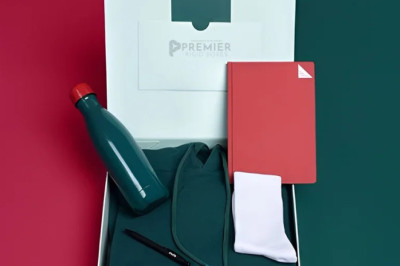
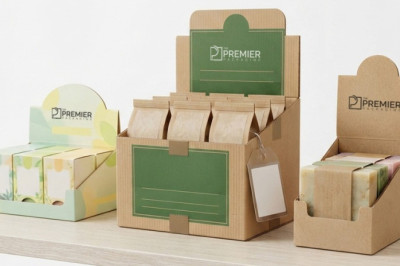
Display boxes get most of the credit for their outer design - the graphics, the shape, how they sit on a shelf or countertop. What tends to get overlooked is what's actually holding the product in place once it's inside that box. Interior inserts do a lot of quiet work nobody sees in a product photo, and honestly, they're often the reason one display still looks sharp after a week of handling while another one looks beat up within a couple of days.
What Interior Inserts Actually Do
An interior insert is whatever's fitted inside the box to hold a product steady - foam, molded plastic, cardboard dividers, printed platforms, that kind of thing. Skip that piece, and the product just moves whenever the box is picked up, restocked, or bumped by a shopper walking past. All that shifting leads to scuffing, loosens the packaging faster than it should, and generally makes a display look worn out sooner than it needs to.
Inserts fix that by pinning the product into one spot and keeping it there through normal handling. That's the protective half of the job. But inserts also pull double duty on the presentation side, which is easy to overlook if you're only thinking of them as a functional add-on.
The Presentation Side of Inserts
A product sitting loose inside a box, even a nicely designed one, tends to read as a little sloppy. An insert that positions the product at a specific angle, height, or orientation makes the whole thing look intentional instead of thrown together. That matters a lot for anything sold through retail displays, since the box is already competing for attention against a dozen other products on the same shelf or counter.
A few ways inserts actually improve how a display presents itself:
-
Holding products upright or angled so packaging and branding stay visible
-
Keeping consistent spacing between units in a multi-product display
-
Elevating a featured item slightly above the rest to catch the eye first
-
Letting printed inserts carry visible branding rather than being hidden behind the product
That last point comes up constantly with branded shelf display packaging, specifically, where the insert itself often carries printed graphics, a logo, or color-matched design elements that reinforce the brand even while the product sits right on top of it.
Common Insert Materials and Their Trade-Offs
Different display categories call for different insert materials, and picking the wrong one usually becomes obvious pretty fast once the display's actually out on a floor.
Why Fit Matters as Much as Material
Even the right insert material falls flat if it isn't sized correctly for the product. Too loose, and the product's still shifting around, which defeats the entire point of adding an insert in the first place. Too tight, and shoppers or store staff end up wrestling with the product just to get it out cleanly - not exactly the impression a brand wants to leave right at the point of sale.
Getting that fit dialed in usually takes a round or two with physical samples rather than trusting measurements alone. A product's actual weight distribution, small variations between units, and how it needs to be lifted out all affect whether an insert design that looks fine on paper actually works once it's holding something real.
Inserts and Brand Identity
Inserts aren't just structural pieces - they're a spot where branding can show up in a way most competitors overlook entirely. A color-matched insert, a printed logo on the base, or a shaped platform that echoes the product's silhouette all reinforce brand identity in a place that's usually left blank or generic. In a busy retail environment, that extra touch of branding can be the thing separating a product that reads as polished from one that just looks like it's sitting in a box.
This shows up a lot with branded shelf-display packaging, where the display itself does double duty as both packaging and a small-scale advertisement. An insert designed as part of that overall visual system, rather than tacked on afterward, tends to hold that branding consistency together a lot better once the display's actually in a store.
Working With a Manufacturer Who Gets the Details Right
Not every packaging supplier handles insert design with the same level of care. Getting fold lines, structural support, and fit exactly right for a specific product usually takes some back-and-forth with prototypes before locking in a full production run, and suppliers with less experience in this area tend to need more rounds of adjustment before things click.
A company like The Premier Packaging specializes in display and structural packaging, which usually means a better sense of how insert design and box structure work together as one system rather than two pieces bolted together. That matters a lot for brands trying to maintain a consistent look across a full retail rollout rather than dealing with inconsistent results from box to box.
Final Words
Interior inserts don't get much credit, mostly because they're designed to disappear once the product's sitting on top of them. But they're doing real work - keeping products protected, holding them at a position that actually looks deliberate, and often carrying branding that reinforces the whole display's design. A display box without the right insert can look fine on day one and messy by day five. Get the insert right, and it holds up looking the way it was meant to for as long as it's out on the shelf.
FAQ
Do all display boxes need an interior insert? Not always, but most benefit from one. Lightweight or self-stable products may not need much support, but anything that can shift, tip, or get scuffed benefits from a properly fitted insert.
Can inserts be part of the branding, or are they purely functional? Both. Plenty of display inserts include printed graphics, logos, or color-matched design elements specifically to reinforce branding, not just hold the product still.
What's the most common mistake brands make with display inserts? Sizing them too loosely. A loose insert doesn't actually stop the product from shifting, which kind of defeats the point of adding one at all.
Are foam inserts necessary for every product, or is cardboard usually enough? Cardboard or molded pulp works fine for most lightweight, sturdy products. Foam tends to get reserved for fragile or oddly shaped items that need more cushioning.
Does adding an insert significantly increase packaging cost? It adds some cost, but usually not a huge amount, and the drop in damaged or poorly presented displays often makes up for it over a full retail run.